
Builders & Architects
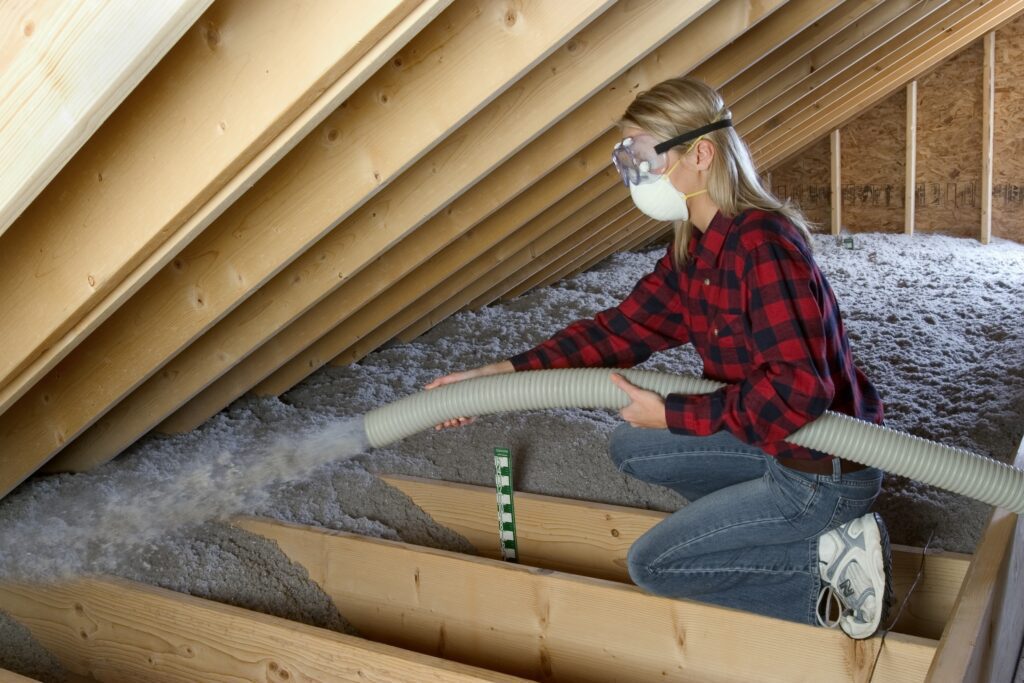
Cellulose building thermal insulation is made from up to 85% post-consumer and post-industrial recycled paper and paperboard products— higher than almost any other commonly used building material. Other elements in cellulose insulation include chemicals like boric acid, which is used in cellulose insulation as a flame retardant and to repel insects but found in everything from industrial to agricultural to medical products. Cellulose is required to meet rigorous testing standards for sale in the United States and Canada.
Environmental Impact
When it comes to protecting the environment, no other building insulation comes close:
Embodied carbon
Cellulose insulation has the lowest embodied carbon of all commercially available insulation products.
Fully reused
Most construction projects have large dumpsters on site full of construction waste and debris from building products that end up in the waste stream and require shipping to landfills, further impacting the environment. Cellulose insulation is fully recovered and reused on-site when installed by professional insulation contractors, leaving virtually no excess material to return to the waste stream. Special machines used in the blown-in process allow excess or over spayed material to be vacuumed up and be blown back in on site or salvaged for a future installation.

Carbon storage
A building product that can sequester carbon has a huge benefit to the environment by reducing greenhouse gasses that cause climate change. Cellulose insulation is basically plant cell matter in the form of paper that is made from wood and thus contains high percentages of carbon. When added to homes, as part of wood-intensive construction, cellulose insulation traps that carbon for years effectively lowering the carbon footprint of homes.
Read our report, The Carbon Story of Cellulose Insulation here.
To view the industry’s Environmental Products Declaration (EPD), click here for loose-fill and click here for dense-pack.
Thermal Performance
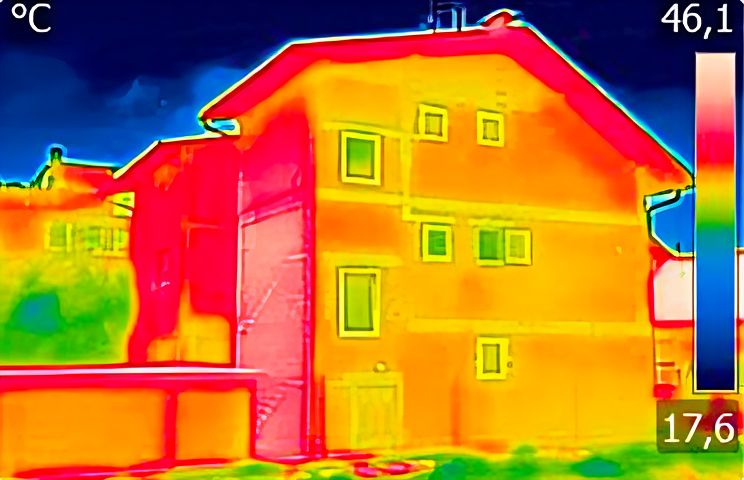
Air infiltration and exfiltration has a major impact on the R-Value – the thermal resistance – that insulation delivers and, as a result, on the thermal performance of an insulated dwelling.
Dense insulation inhibits movement of air from warm to cold (interior to exterior) in winter and cold to warm (exterior to interior) in summer. The higher the density of the material, the better it is at inhibiting the movement of air. Both cellulose and closed-cell foam insulations have a much higher density than fiberglass, so both potentially are more efficient at inhibiting air movement. CIMA recommends air sealing the gaps around electrical boxes, plumbing, windows, and other areas within the house. Then install cellulose insulation according to the coverage chart of the manufacturer, available on the bag and the manufacturer’s website
Acoustical Benefits
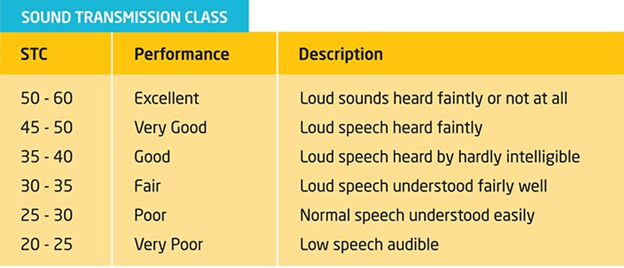
Cellulose insulation is widely used to help limit exterior noise intrusions as well as noise between rooms.
Noise Reduction Coefficient (NRC)
Sound Transmission Class (STC)
Fire Protection
Fire retardants
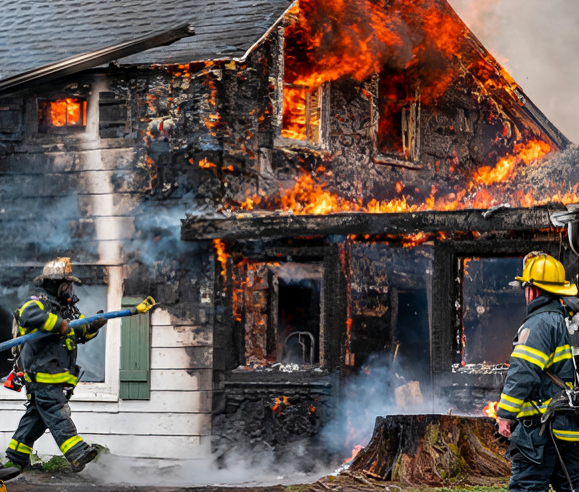
The US Consumer Product Safety Commission (CPSC) established the fire safety requirements for cellulose insulation in 1978. Cellulose insulation is one of very few building materials that always contain fire retardants. Lumber, sheathing, kraft-faced fiberglass batts, asphalt-based roofing materials, carpet, etc. are typically not treated with fire retardants. Across the range of cellulose insulation manufacturers, the chemicals added provide an effective one-hour fire rating. The addition of these chemicals will slow the spread of a fire, allowing you more time to escape any danger.
Terminology
The term “flame spread” refers to the speed at which flames “spread” along the surface of the insulating material. “Smoke developed” refers to the amount of smoke that is produced while the product burns. In most house fires, it is not the flames which cause serious personal injury, but rather smoke inhalation. Smoke also increases confusion during a crisis and obscures important fire exits. The building codes establish a maximum flame spread of 25 and smoke developed index of 450 as tested under ASTM E84.
Cellulose has a one-hour firewall
When properly installed, cellulose insulation can help reduce the spread of flames in house and building fires. Some manufacturers have even qualified two- and three-hour firewall designs using cellulose insulation.
Mold & Moisture
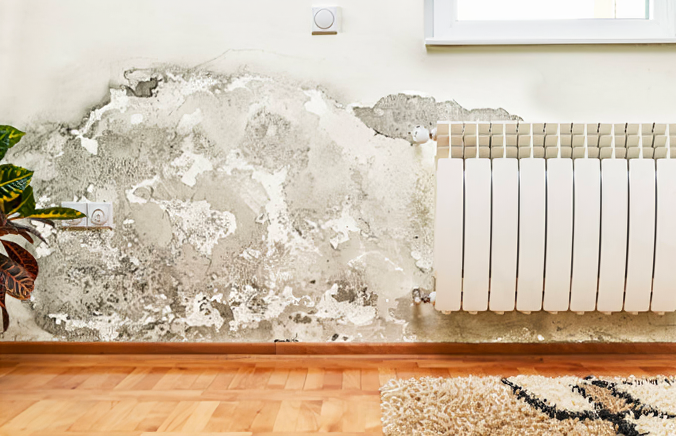
Moisture moves by four different transport mechanisms: (1) bulk water movement (rain, snow, or groundwater); (2) capillary action (capillarity); (3) air movement; and (4) vapor diffusion. Of these mechanisms, air movement is the primary cause for moisture-related issues in buildings. Cellulose insulation impedes the movement of air generated by wind, stack effect, and mechanical imbalances within buildings. By hindering the movement of moisture-laden air, cellulose reduces moisture movement to manageable levels within the building assemblies. Any remaining moisture moving by diffusion will be further blocked by primers and paints used on the interior surfaces.
The hygroscopic nature of cellulose insulation allows it to manage and wick moisture from areas of greater to lesser concentrations, thus preventing damaging amounts of moisture from accumulating. This is a key distinction between cellulose and other types of insulation and an important benefit for homeowners when making insulation decisions.
Note: Many building codes require an air barrier and/or vapor barrier be installed. Check with your local officials regarding compliance.